Strength Training for Longevity
The Foundation of a Longer, Healthier Life
When most people think about strength training, they think about muscle tone, aesthetics, or athletic performance. While those are valuable benefits, the real power of strength training goes far beyond appearance.
Strength training is one of the most impactful investments you can make in your long-term health, independence, and quality of life.
At ADAC, we don’t view strength training as optional — we view it as essential.
Muscle: The Organ of Longevity
Research continues to show that muscle mass is directly linked to lifespan. As we age, we naturally lose muscle — a process known as sarcopenia. Beginning as early as our 30s, muscle mass declines gradually, and without intervention, this loss accelerates over time.
The consequences?
-
Reduced mobility
-
Higher risk of falls and fractures
-
Slower metabolism
-
Increased insulin resistance
-
Loss of independence
Strength training is the most effective way to slow — and even reverse — this decline.
Maintaining muscle isn’t about vanity. It’s about vitality.
Strength Supports Metabolic Health
Muscle is metabolically active tissue. The more lean muscle you have, the better your body regulates blood sugar and manages inflammation.
Consistent resistance training has been shown to:
-
Improve insulin sensitivity
-
Lower risk of Type 2 diabetes
-
Support cardiovascular health
-
Help maintain a healthy body composition
For adults looking to protect long-term health, strength training is not just helpful — it’s protective.
Bone Density and Joint Protection
After age 40, bone density begins to decline, increasing the risk of osteoporosis and fractures. Strength training places controlled stress on bones, signaling the body to maintain and even increase bone density.
Additionally, properly coached resistance training strengthens the muscles around joints, improving stability and reducing pain.
At ADAC, we focus on movement quality first. Proper mechanics ensure members build strength safely and sustainably — protecting joints rather than wearing them down.
Cognitive and Emotional Benefits
Strength training doesn’t just change your body — it changes your brain.
Research shows resistance training can:
-
Improve cognitive function
-
Reduce symptoms of anxiety and depression
-
Enhance sleep quality
-
Increase overall resilience
The confidence gained from becoming physically stronger carries over into every area of life.
Strength Is Independence
Perhaps the most overlooked benefit of strength training is independence.
Getting up off the floor. Carrying groceries. Climbing stairs. Traveling comfortably. Playing with grandchildren.
These aren’t “fitness goals” — they’re life goals.
The stronger you are, the longer you maintain the freedom to live life on your terms.
How ADAC Supports Strength for Life
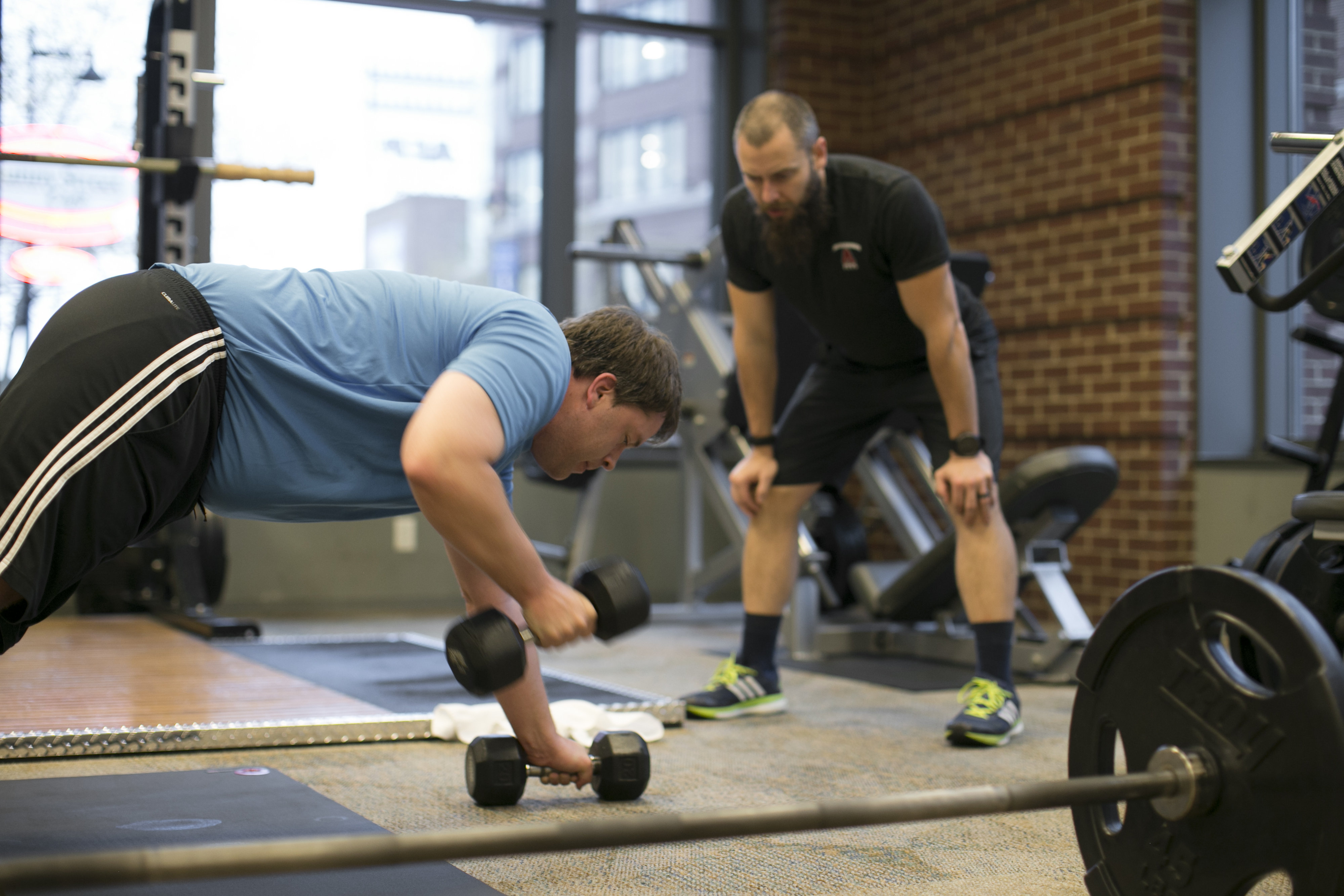
At ADAC, our personal trainers are not about random workouts or chasing exhaustion. It’s about strategic, progressive programming designed to meet you where you are — and help you build safely from there.
We focus on:
-
Proper movement mechanics
-
Progressive overload at the right pace
-
Coaching and accountability
-
Programs tailored to individual ability and goals
-
Building sustainable habits, not quick fixes
Whether someone is new to exercise, returning after injury, or looking to stay competitive well into their 60s and beyond, our approach emphasizes long-term development over short-term intensity.
Strength is not built in a week — but it is preserved through consistency.
The Bottom Line
If your goal is to live longer and live better, strength training must be part of your plan.
Cardio is important. Nutrition matters. Sleep is critical.
But strength is the foundation.
At ADAC, we believe strong people live better lives — and we’re committed to helping our members build the kind of strength that lasts.
Because longevity isn’t just about adding years to your life.
It’s about adding life to your years.

 614-461-7785