
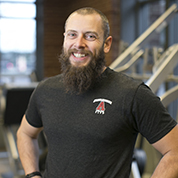
Stronger Through Recovery: The Role of Exercise and Personal Training After Cancer Treatment
Recovering from cancer treatment is both a physical and emotional journey. While rest and healing are critical, research increasingly shows that exercise can play a powerful role in improving recovery outcomes, enhancing quality of life, and helping individuals regain a sense of control. When guided appropriately—especially with the support of a qualified personal trainer—exercise becomes not just safe, but transformative.
The Benefits of Exercise During Recovery
Cancer treatments such as chemotherapy, radiation, and surgery can leave lasting effects on the body, including fatigue, muscle loss, reduced mobility, and decreased cardiovascular fitness. Incorporating exercise into recovery can help address these challenges in several meaningful ways:
1. Reduces Fatigue
One of the most common side effects of cancer treatment is persistent fatigue. While it may seem counterintuitive, regular physical activity has been shown to reduce cancer-related fatigue and improve overall energy levels.
2. Rebuilds Strength and Muscle Mass
Periods of inactivity during treatment often lead to muscle loss. Strength training helps rebuild muscle, improve functional movement, and restore independence in daily activities.
3. Improves Mental Health
Exercise releases endorphins, which can help reduce anxiety and depression—common emotional hurdles during recovery. It also provides a sense of routine and accomplishment.
4. Enhances Cardiovascular Health
Certain cancer treatments can impact heart health. Light to moderate aerobic exercise helps strengthen the cardiovascular system and improve endurance.
5. Supports Immune Function
While intense exercise is not recommended during recovery, moderate activity can help support immune system function, which is especially important post-treatment.
6. Improves Balance and Flexibility
Treatment can affect coordination and mobility. Incorporating flexibility and balance exercises reduces fall risk and improves overall movement quality.
Why Work with a Personal Trainer?
While exercise is beneficial, it must be approached thoughtfully during cancer recovery. This is where a knowledgeable personal trainer becomes invaluable.
1. Customized Programming
A personal trainer can design a program tailored to the individual’s treatment history, current fitness level, and medical considerations. No two recovery journeys are the same.
2. Safe Progression
A trainer ensures that exercise intensity and volume progress at a safe and appropriate pace, minimizing the risk of injury or overexertion.
3. Accountability and Motivation
Staying consistent can be challenging, especially when energy levels fluctuate. A trainer provides structure, encouragement, and accountability.
4. Education and Confidence
Many individuals are unsure of what they “can” or “should” do after treatment. A trainer helps remove that uncertainty, empowering clients to move with confidence.
5. Collaboration with Healthcare Providers
Experienced trainers often work in conjunction with physicians, physical therapists, or oncology specialists to ensure a coordinated and safe approach.
What Does a Post-Treatment Exercise Program Look Like?
A well-rounded program typically includes:
- Strength Training: Light to moderate resistance exercises focusing on major muscle groups
- Cardiovascular Exercise: Walking, cycling, or low-impact machines to build endurance
- Mobility Work: Stretching and range-of-motion exercises to improve flexibility
- Balance Training: Simple drills to enhance stability and coordination
- Sessions are usually shorter in duration initially and gradually increase as strength and stamina improve.
A Supportive Environment Matters
Beyond the physical benefits, the environment in which someone exercises plays a key role in their recovery. A welcoming, supportive space—paired with a compassionate and knowledgeable trainer—can make all the difference in building confidence and long-term adherence.
Final Thoughts
Exercise during cancer recovery is not about pushing limits—it’s about rebuilding, restoring, and reclaiming strength one step at a time. With the right guidance, particularly from a skilled personal trainer, individuals can safely navigate their return to fitness and experience meaningful improvements in both physical and emotional well-being.
Recovery is a journey, and movement can be one of its most powerful tools.

 614-461-7785